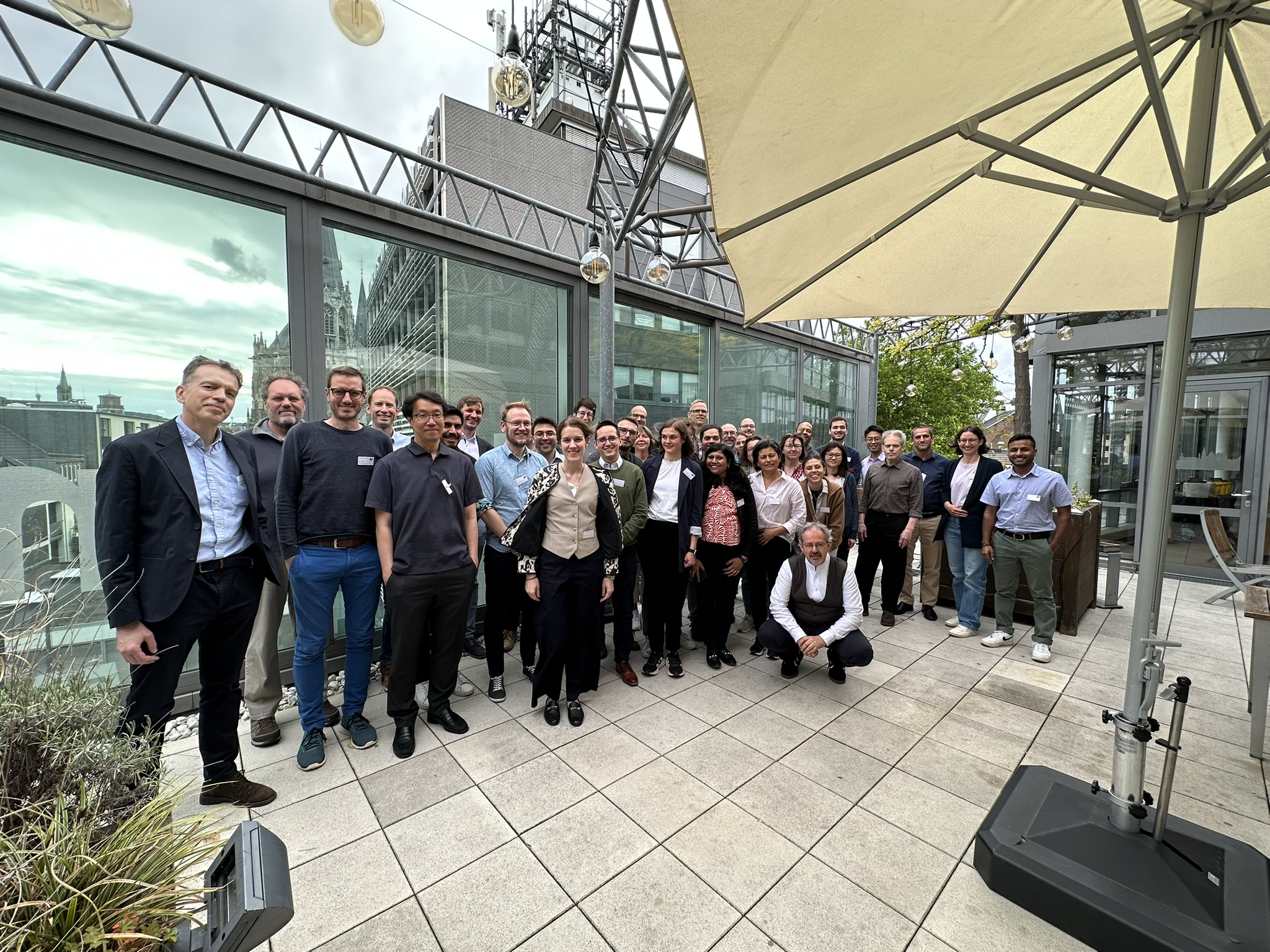
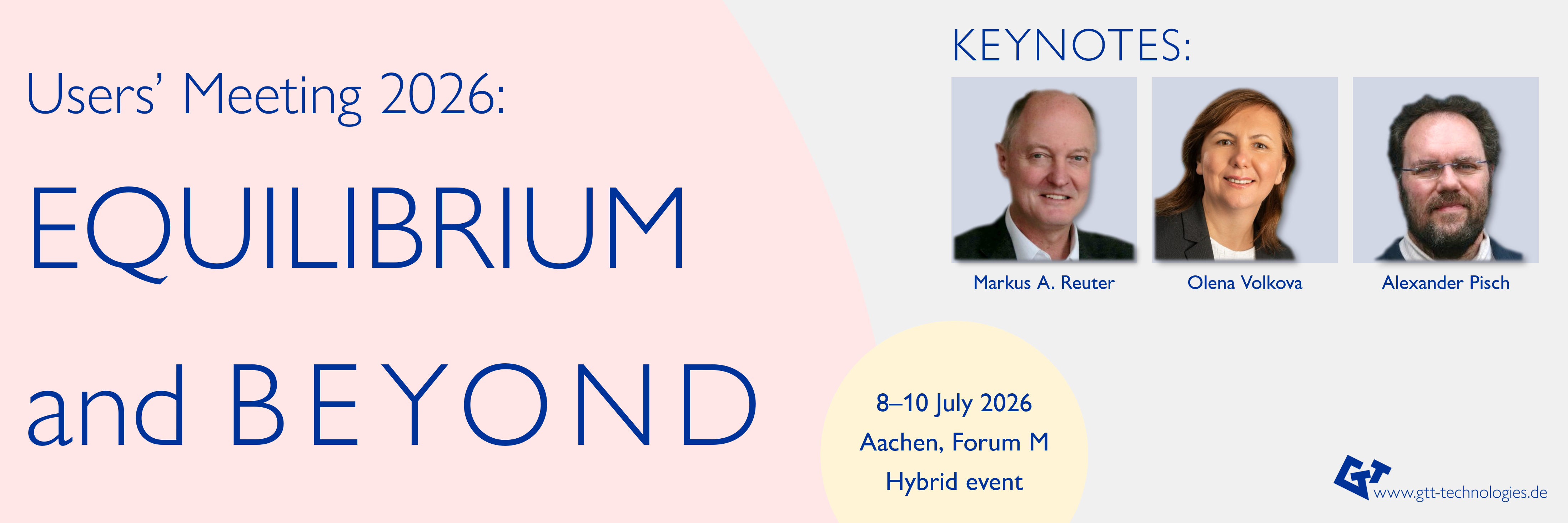
Talks, demos, and discussions with users and developers.
📍 Aachen, Forum M (Buchkremerstraße 1-7, 52062 Aachen)
📅 8–10 July 2026 (Wednesday 14:00 – Friday 12:00)
🌐 Hybrid (on-site & online)
📄 Program as PDF
ℹ️ On-Site Information (venue, directions, group dinner)
Users’ Meeting 2026: Videos
The presentation recordings from our Users’ Meeting 2026 are now available online on our YouTube channel.
Explore user applications, compelling science, agentic coding and a glimpse of what’s next, with topics ranging from steelmaking and copper metallurgy to FactFlow, SysCAD and materials informatics.
WHAT TO EXPECT
Talks, Demo Sessions & User Experiences
The Users’ Meeting brings together users, developers, researchers, and industry professionals working with thermodynamic modeling, simulation, and process optimization. Over three days, participants can look forward to technical presentations, software demonstrations, and discussions covering a wide range of applications, from fundamental thermodynamics and database development to industrial process simulation and sustainability challenges.
Whether you are an experienced user or just getting started, the meeting offers opportunities to learn about new developments, exchange ideas, and gain practical insights from both developers and fellow users.
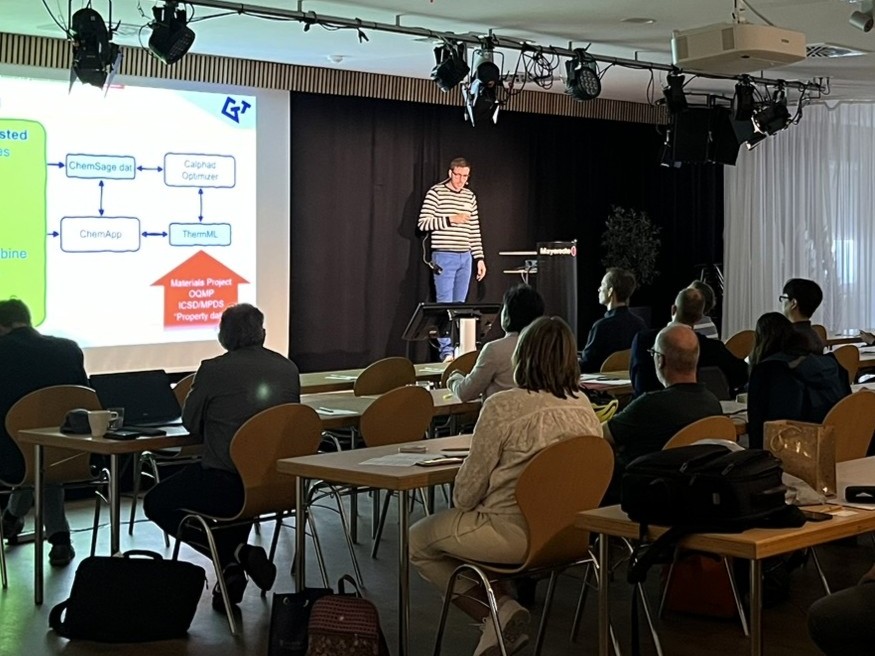
Hybrid Format, Networking & Community
The Users’ Meeting will once again be held in a hybrid format, allowing participation both on site in Aachen and online. Alongside the formal program, the event is designed to encourage direct interaction between users and developers through demo sessions, technical discussions, and informal exchange.
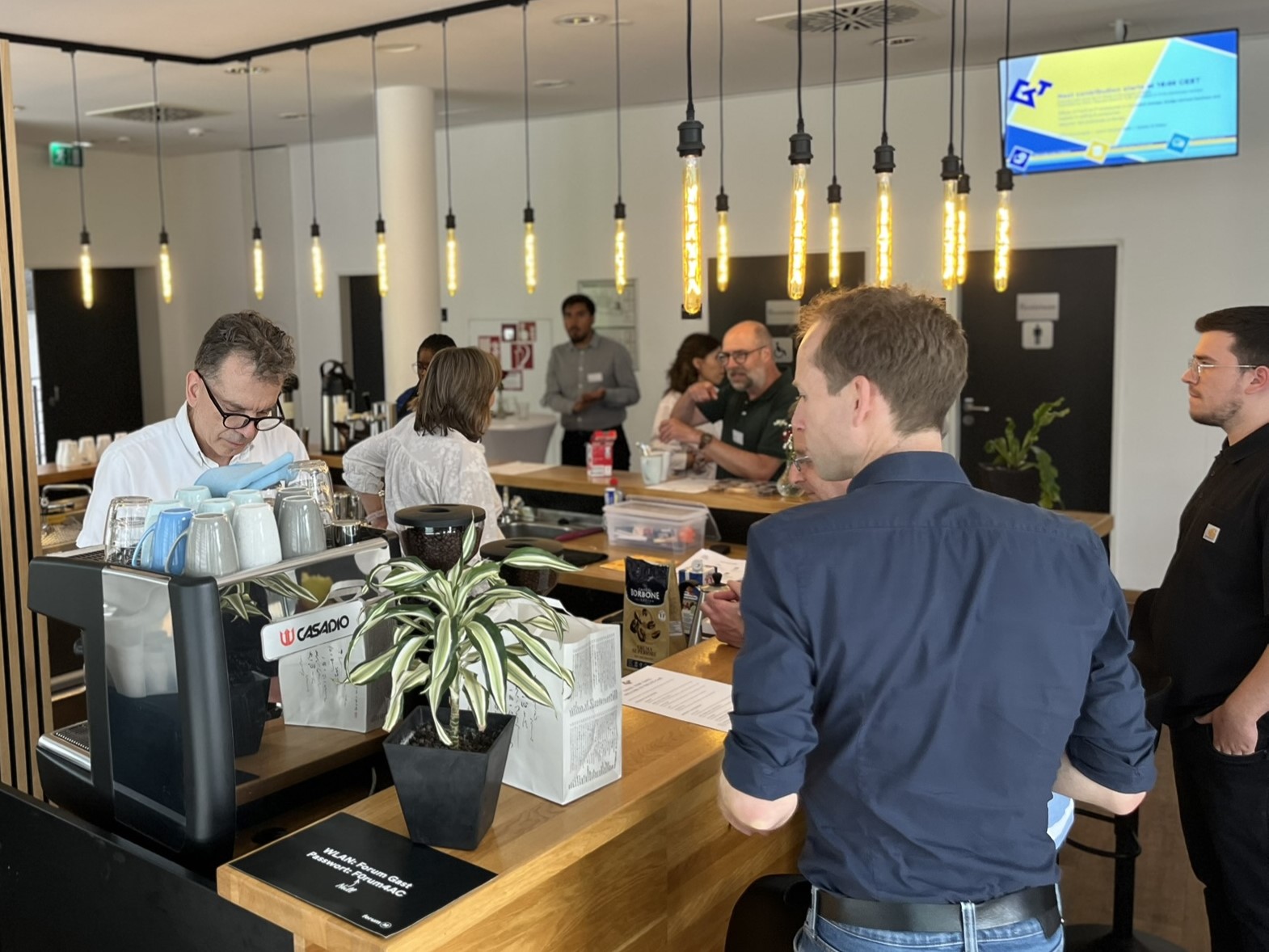
Coffee breaks, shared lunches, and the traditional group dinner provide plenty of opportunities to continue conversations beyond the presentations, discuss practical challenges, and connect with colleagues from industry, research, and academia in a relaxed and collaborative atmosphere.
PROGRAM
We are pleased to announce three keynote speakers whose work reflects this year’s theme, “Equilibrium and Beyond”: Markus A. Reuter, former Technology Director NF at SMS group and internationally recognized expert in industrial metallurgy, circular economy, and simulation-driven resource efficiency; Olena Volkova, Institute Director at TU Bergakademie Freiberg, whose work connects thermodynamic modeling with practical process understanding in steel technology and ferrous metallurgy; and Alexander Pisch, CNRS Research Director and Chairman of SGTE, known for his contributions to applied thermodynamics, thermodynamic database assessment, and engineering-oriented process modeling.
July 8 · Wednesday afternoon (14:00–18:00 CEST)
From Earth to Moon (14:00–16:00 CEST)
Welcome & Introduction
Moritz to Baben (GTT-Technologies)
Stephan Petersen (GTT-Technologies)
Keynote: Application of Thermodynamic Modeling with FactSage in Steelmaking
Olena Volkova, Anhelina Mospan
Institute of Iron and Steel Technology, TU Bergakademie Freiberg
This presentation will cover applications of thermodynamic modeling and calculations using Factsage in real steelmaking and research scenarios. Examples include (i) calculating cooling factors and liquidus temperatures for operating models in Level 2 of an integrated steel plant; (ii) evaluating different silicon holders in a basic oxygen furnace (BOF); (iii) calculating phosphorus partition of between the liquid crude steel and the BOF slag as a function of the (CaO/SiO₂) ratio, the tapping temperature, and the slag composition; (iv) calculating hydrogen solubility in liquid crude steel; (v) calculating viscosity of different liquid slags; (vi) simulating the interaction between MgO-C refractory and ladle slag; (vii) simulating the desulfurisation process.
Olena Volkova (TU Bergakademie Freiberg)
Thermodynamic Modeling and Experimental Validation of Metallurgical Processes Using FactSage
Bora Derin
Thermodynamic modeling has become an indispensable tool for designing metallurgical processes, minimizing experimental trials, and accelerating materials development.
This presentation highlights the application of FactSage in three different case studies covering advanced alloy synthesis, self-propagating high-temperature synthesis (SHS), and extractive metallurgy, with experimental validation of the simulation results.
The first case study investigates the production of W–Fe–B ternary borides by aluminothermic SHS. FactSage was used to optimize raw material proportions, predict adiabatic reaction temperatures, equilibrium phase formation, alloy and slag compositions, and phase stability. The calculated results were validated using XRD, SEM/EDS, and hardness measurements.
The second case study focuses on the cost-effective production of AlxCoCrFeNi high-entropy alloys through SHS, followed by casting and thermomechanical processing. Thermodynamic calculations guided alloy design, phase evolution, solidification behavior, and processing parameters, enabling successful synthesis of alloys with the desired microstructures and properties.
Finally, an alternative sulfate-route for producing high-purity anatase TiO₂ from ilmenite is presented. FactSage simulations were employed to determine the optimum calcination conditions, predict decomposition products, and support the selective leaching stage.
These case studies demonstrate how combining thermodynamic simulations with experimental validation significantly improves process optimization, reduces development time and cost, and enhances the reliability of metallurgical process and materials design.
Bora Derin (Istanbul Technical University)
Modelling Hot Corrosion Induced by Aluminosilicate Deposits Found in Aircraft Turbines and Experimental Validation
Lourdes Camarma
Forschungszentrum Jülich
Ni-based superalloys used in aircraft and stationary gas turbines are susceptible to corrosive attack due to chemical reactions occurring between deposited debris ingested by the engine and the metallic surface. While this phenomenon has primarily been linked to the effect of alkali and alkaline earth sulfates and generally requires the formation of a liquid phase (e.g. Ni/CoSO4-alkali sulfate eutectic), the intrinsic complexity of the problem hinders a complete understanding of the underlying fundamental mechanisms leading to hot corrosion.
Regarding the composition of the deposit, data obtained from stationary gas turbines suggests alkali and alkaline earth sulfates to be the main constituents. However, data from real aeroengine deposits is scarce and difficult to acquire, with only a few sources available in the published literature. In this work, several deposits extracted from the hot section of different aircraft engines were analyzed via X-ray Diffraction (XRD) and Fluorescence Spectroscopy (XRF) for phase and elemental characterization. Results revealed complex mixtures of chemical compounds, with three main constituents identified in each sample: CaSO4, SiO2 and alkali aluminosilicates. The first two components have already been reported in the literature, but, to the best of the authors’ knowledge, the effect of the latter on hot corrosion development has not yet been investigated.
In order to clarify the mechanisms involved in the corrosive attack of Ni-based superalloys, hot corrosion tests have been performed using three alkali aluminosilicates (NaAlSi3O8, KAlSi3O8 and (Na,K)AlSiO4) as deposits. The experimental work has been combined with thermochemical analysis using FactSage software to improve the understanding of the degradation progression of the metal exposed to a sulfur-containing atmosphere.
Lourdes Camarma (Forschungszentrum Jülich)
Application of Thermodynamic Calculation to Oxygen Extraction from Lunar Minerals under Vacuum Conditions
Masanori Suzuki
Kindai University
Establishing a sustained human presence on the Moon requires in situ oxygen production for life support. In this study, we propose an innovative oxygen production method in which oxygen gas is generated by reducing regolith minerals under extremely low pressures, without the need for melting. We focus on iron-containing minerals because iron oxide is among the most readily reduced constituents in lunar regolith. We predicted critical conditions for reduction of these minerals by thermodynamic calculation. Then, our experiments using hematite and fayalite pellets as test materials revealed that abundant oxygen gas could be generated from these minerals.
Masanori Suzuki (Kindai University)
Future Under Construction (16:20–18:00 CEST)
Keynote: Use of FactSage and Related Tools in Building Materials Research
Alexander Pisch
Université Grenoble Alpes, Laboratoire SIMaP, 38000 Grenoble, France
The building materials industry faces multiple challenges to reduce the environmental footprint of their products as they are responsible for up to 10% of the global industrial CO2 emissions. The main responsible for the emissions is the production of cement clinker in an industrial rotary kiln. 60% of the CO2 emissions are due to the fact that limestone is used as one of the components in the raw materials and 40% are coming from the use of fossil fuels (coal, petcoke, natural gas) in the burning process. Classical Ordinary Portland cement clinker needs burning temperatures of 1450°C followed by a fast quench to become reactive.
Different research directions are currently investigated and thermodynamic simulations are mandatory to support the effort. The first option is to modify the clinker chemistry and reduce the limestone content. This leads to a so-called sulfoaluminate clinker for which reductions of 30% in energy and CO2 emissions are observed. The second one are blended cements in which some of the clinker is replaced by alternative reactive additions such as calcined clays that must be thermally processed to activate them. The third one is the optimisation of the clinker process by using alternative raw materials (slags, ashes…) and fuels (biomass, solvents ..) which can cause problems if they alter the basic cement chemistry.
In this contribution, examples will be given on how the use of Factsage, ChemApp and Kilnsimu together with the relevant thermodynamic databases can support the on-going research.
Alexander Pisch (CNRS Grenoble / SGTE)
Development of New Carbonatable Clinker Compositions
Arne Peys
VITO
To increase the resource pool of carbonatable binders for low-carbon construction materials, the manufacture of clinkers with high reactivity towards CO2 receives increasing research interest. These clinkers have a tailored phase composition of Ca-silicates and Ca-Mg-silicates to optimize the properties of the resultant carbonated products as well as the CO2-balance of the overall flowsheet. The presentation will present about the different clinker compositions that currently exist and how their development was supported by thermodynamic modeling. The experimental phase compositions in clinker burnability tests were used to compare with the thermodynamically stable phases.
Arne Peys (VITO)
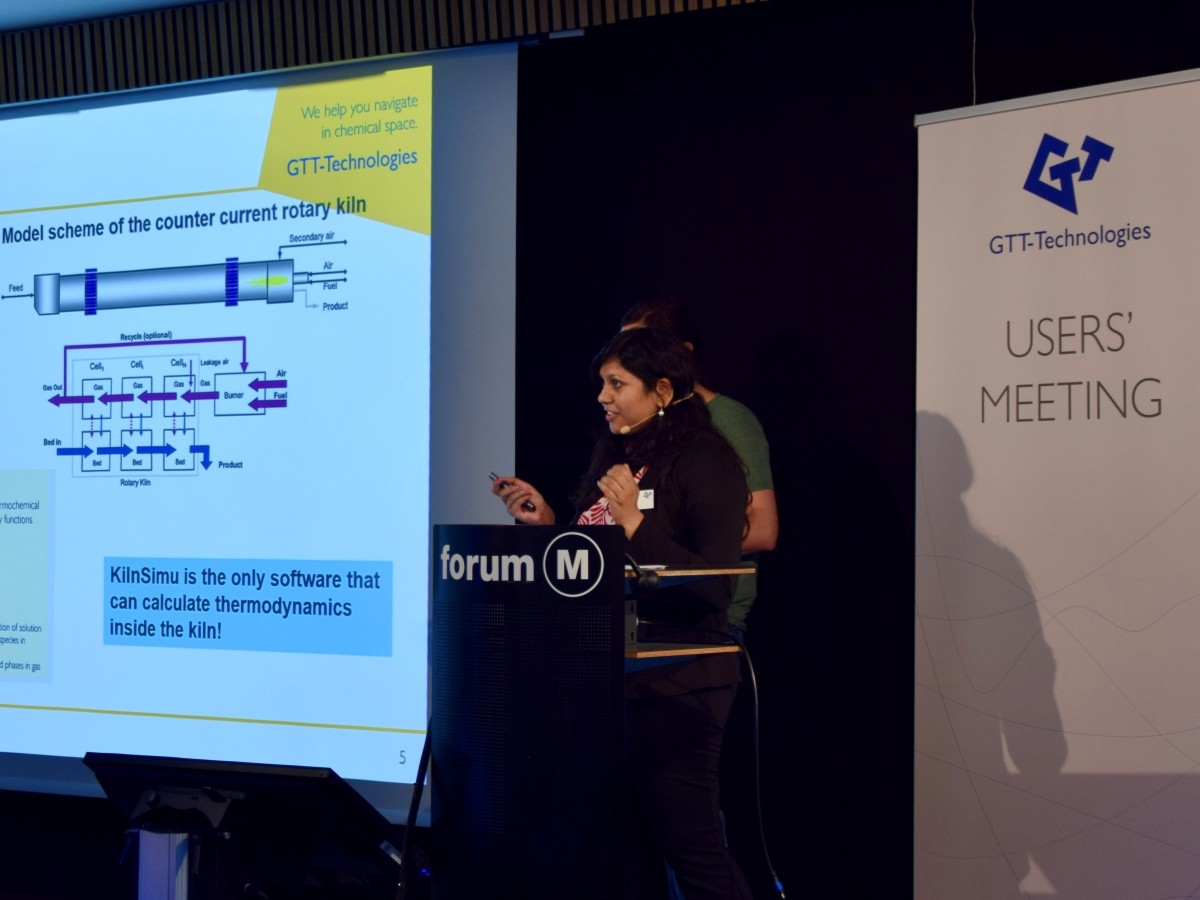
KilnSimu – Beyond Equilibrium
Shivani Gonde (GTT-Technologies), Cassie Früh (GTT-Technologies), Karri Penttilä (VTT)
Shivani Gonde (GTT-Technologies)
July 9 · Thursday morning (9:00–12:30 CEST)
Full Circle (9:00–11:10 CEST)
Keynote: A Thermodynamic Understanding of the Opportunities and Limits of the Circular Economy
Markus A. Reuter
ElvalHalcor, Athens, Greece. INEMET, Technisch Universität Bergakademie Freiberg, Freiberg, Germany; Dept. of Chemical Engineering, University of Stellenbosch, Stellenbosch, South Africa.
The word Circular Economy is interesting as circularity essentially is ultimately defined by the thermodynamics of the system, maintaining material and energy quality as best possible. This in turn has a significant effect on the economics and viability of circularity. Thermodynamics explains why many material flows cannot be closed well, while creating the economic burden of the inevitably produced residues.
There is much talk about the opportunities of the circular economy, supported by a flood of simplistic element-based representations and calculations, void of thermodynamic considerations and thermochemical detail. In fact, the circular economy is a complex system involving a multitude of complex functional materials connected to realize the function of products. These intricate mixtures impose a thermodynamic as well as kinetic limitation on what recovery and level of contamination is achievable, often also reflected by economic constraints, rendering nice ideas inoperable, in the process often wasting valuable research funds.
In this presentation, various industrial applications will illustrate how the circular economy can be represented by thermodynamic-based simulation models and can be used a priori to test ideas by embedding new ideas in rigorous simulation models embracing circular economy systems. The discussion will cover metallurgical reactor and system simulation models to process the complex compounds and recover the multitude of elements that must be processed during end-of-life, especially during recycling to produce high quality metals, alloys, compounds, etc. and energy. The link to recycling and design for recycling, ultimately to product design, will be made to show how FactSage is already used in simulation-based design for recycling e.g. integrating with tools such as HSC Sim. Where FactSage fails due to for example missing solution models, AI techniques, industrial reactor modelling, simulation experience as well as understanding the reality of industrial operations are required. This is especially true for the design for recycling, where examples with OEM input show the state-of-the-art [1-3].
- Hack, K., Reuter, M.A. The Thermodynamics of Fe–H–O System Using Two Different Software. J. Sustain. Metall. 12, 1070–1081 (2026).
- Hack, K., Reuter, M.A. Expanding the Exergy Calculation Methodology of Materials to Include Equilibrium Calculations of Complex Systems. J. Sustain. Metall. 11, 2197–2213 (2025).
- Mas-Fons, A., Freboeuf, L., Beylot, A., Pino-Herrera, D., Loubet, P., Sonnemann, G., Reuter, M.A. Use of Process Simulation in LCA of Mineral Raw Materials Production: A Critical Review. J. Sustain. Metall. 12, 2466–2485 (2026).
Why Predictive Modeling of Materials and Processes Is So Difficult
Moritz to Baben
GTT-Technologies
Moritz to Baben (GTT-Technologies)
Synergistic Valorization of Waelz, Linz-Donawitz, and Fayalite Slags
Junnile Romero
Helmholtz Zentrum Dresden Rossendorf Helmholtz Institute Freiberg for Resource Technology
The approximate annual global production of Linz-Donawitz (LD) slag, Fayalite slag, and Waelz slag is 100 million tons, 44 million tons, and 2 million tons, respectively. Currently these slags have partially utilization due to economic, technical, and environmental hazards. Present study proposes a synergistic valorization that leverages the basicity of LD slag and Waelz slag together with the iron-silicate nature of fayalite slag to generate self-fluxing mixtures. The study aims to recover Zn via the gas phase and Fe, Mn and V in the metal phase and produce a construction friendly slag. Experimental results showed 84% metal yield and 41% zinc purity from the dust collected in the gas filter. The recovered metal nugget contains 86.43% iron, 3.89% manganese, 2.78% silicon, and 0.85% copper. This study demonstrates the viability of integrated slag valorization to minimize waste and support circular economy strategies in metallurgical industries.
Junnile Romero (Helmholtz HIF)
MD-Informed Structure-Property Model for Self-Diffusion Coefficients in CaO-Al2O3-SiO2 Slags
Héléna Verbeeck (UGent), Nele Moelans (KU Leuven), Inge Bellemans (UGent)
Accurate slag property data is essential for modeling high-temperature metallurgical processes, yet available measurements remain scarce and often inconsistent. In recent years, Molecular Dynamics (MD) simulations have emerged as a powerful and complementary approach for investigating the thermophysical properties of molten slags. MD enables systematic control over composition and temperature, allowing the effects of individual parameters to be isolated and the full compositional space to be explored.
Building on MD-generated datasets, optionally combined with experimental data, structure–property relationships can be established and implemented in process models. In this work, we present an MD-informed structure–property model for self-diffusion coefficients in CaO–Al₂O₃–SiO₂ melts, relying on pair fractions computed using the Modified Quasi-Chemical Model (MQM). The model is validated by coupling kinetic data with thermodynamic descriptions obtained from FactSage to simulate the dissolution behaviour of Al₂O₃ and SiO₂ particles.
Finally, we provide an outlook on extending this framework towards the prediction of other transport properties (e.g., viscosity and electrical conductivity), highlighting its potential for the development of integrated, physics-based models for metallurgical applications.
Héléna Verbeeck (Ghent University)
Beyond Equilibrium I (11:10–12:20 CEST)
How to accurately model the DRI metallization degree?
Anna Ravensburg, Ömer Büyukuslu
GTT-Technologies
Anna Ravensburg (GTT-Technologies)
Demo: Agentic Coding in ChemApp for Python
Bruno Reis
GTT-Technologies
Bruno Reis (GTT-Technologies)
July 9 · Thursday afternoon (13:30–18:00 CEST)
Beyond Equilibrium II (13:30–15:00 CEST)
Constraints I: What Are Constraints in Thermodynamics and Where Do They Come From in Reality?
Moritz to Baben
GTT-Technologies
Moritz to Baben (GTT-Technologies)
Constraints II: Kinetic Limitations Between Condensed Phases – GTOx for Glasses
Philipp Keuter
GTT-Technologies
Philipp Keuter (GTT-Technologies)
Constraints III: Kinetic limitations in the gas phase – Understanding Methanol Synthesis
Anna Ravensburg
GTT-Technologies
Anna Ravensburg (GTT-Technologies)
Constraints IV: Electrolysis Driving Kinetics Beyond Unconstrained Equilibrium – The Hall-Heroult Process
João Rezende
GTT-Technologies
João Rezende (GTT-Technologies)
Constraints V: Explicit Treatment of Microstructural Defects – Partitioning at and Energy of Grain Boundaries
Moritz to Baben
Moritz to Baben (GTT-Technologies)
Beyond the Database (15:20–16:30 CEST)
Database Development for InP Synthesis and Crystal Growth
M.H. Wetzel1, D. Souptel2
1 Fraunhofer Institute for Integrated Systems and Device Technology IISB, Erlangen, Germany
2 Freiberger Compound Materials GmbH, Freiberg, Germany
Indium phosphide (InP) substrates are a key enabler for modern high-frequency electronics and photonic applications, including telecommunications, power electronics, and integrated photonics. The controlled synthesis and crystal growth of high-quality InP single crystals require a thorough understanding of the underlying thermodynamic and chemical equilibria across all relevant processing conditions. This contribution presents the requirements, methodology, and current status of a dedicated thermochemical database developed for this purpose. Special focus is placed on the critical assessment and optimization of the constituent binary subsystems, as well as on the prediction of solidification reactions and solubilities obtained by interpolation of the assessed binaries. Validation of these predictions against experimental observations demonstrates that, despite necessary approximations and tentative assessments for several subsystems, the database provides a solid foundation for the simulation-driven understanding and optimization of the InP crystal growth process.
Marius Wetzel (Fraunhofer IISB)
Molar Volume Prediction of Liquid Alloys Using Modified Quasichemical Model
Min-Kyu Paek
Clausthal University of Technology (Institute of Metallurgy, Clausthal-Zellerfeld, Germany)
Ti-Al-V, especially Ti-6Al-4V, is a widely used titanium alloy due to its low density, high specific strength, excellent corrosion resistance, and good biocompatibility, making it suitable for aerospace and biomedical applications. Its demand in additive manufacturing (AM) is high because AM enables the production of complex, lightweight components, and Ti-6Al-4V is one of the most commonly used alloys in this field. In liquid Ti-Al-V processing, thermophysical properties are critical, as melt flow, spreading, wetting, and solidification behavior are strongly influenced by them. For the liquid Ti-V side of the ternary system, the molar volume behaves nearly ideally, with no significant excess volume observed. On the other hand, the Ti-Al and V-Al binaries show strong negative deviations, and the volume shrinks in the negatively deviated solution due to the attractive forces among the atoms. The interactions among Ti, Al, and V were predicted based on the pair exchange reaction using the Modified Quasichemical Model(MQM). In this model, the properties of the liquid solution were described by the pair fractions of Ti-V, Ti-Al, and V-Al as functions of melt temperature and composition. By plotting the molar volume of the liquid solution against the calculated pair fraction for each sub-binary system, the specific binary-pair volume can be obtained from the slope. In the ternary system, the pair distributions were calculated using the Toop-interpolation method, with Al set as the asymmetric component. The molar volume of the Ti-Al-V ternary liquid solution was successfully reproduced by merging the specific binary-pair volume determined in the sub-binaries.
Min-Kyu Paek (TU Clausthal)
Building Interoperable CALPHAD Workflows: ThermML and Calphad Optimizer
Florian Tang, Bruno Reis, Moritz to Baben
GTT-Technologies
The rapid evolution of generative artificial intelligence (genAI) stimulates wide-ranging discussions across scientific and engineering communities regarding competitive advantage and intellectual differentiation. The computational thermodynamics and materials design domain rests upon decades of carefully assessed thermodynamic databases, physically grounded models, and rigorous scientific optimization workflows. However, traditional database formats (TDB, FactSage, ChemApp) rely on implicit conventions and positional syntax while lacking structured comments or metadata that machines can reliably parse. Thus, there is no reliable way to encode relationships between phases, species, parameters, and assessment metadata, limiting interoperability, automated validation, and AI integration. As genAI systems become
increasingly capable of code and data synthesis, literature summarization, and data-driven hypothesis generation or tool-
calling, the enduring value in CALPHAD tools shifts from algorithms to curated data, semantic structure, interoperability,
and reproducible workflows.
This work demonstrates how the updated ThermML XML specification and updated Calphad Optimizer 3.0 software address these challenges [1, 2]. ThermML provides a semantically explicit database format where thermodynamic models are formally defined and annotated. We will demonstrate conversion of legacy FactSage (and TDB, through conversion with FactSage) databases to ThermML, showcasing how semantic annotation enables automated consistency checking, provenance tracking, and machine-readable documentation. ThermML preserves human access and long-term stability while allowing machine interpretability. We present case studies demonstrating new Calphad Optimizer 3.0 workflows, including reproducible parameter assessments, and multi-format database export. Practical examples will illustrate how optimization histories can be audited, extended, and traced to human or generative data sources without loss of semantic fidelity. In a landscape where genAI may generate candidate models or suggest parameter updates, this provides necessary safeguards while enabling productive human-AI collaboration.
The CALPHAD community has historically advanced through published assessments, and incremental refinement of databases. This work is presented to invite discussion on pathways for community adoption and the evolving role of semantic infrastructure in the AI era.
Florian Tang (GTT-Technologies)
Breakout Sessions: Developer Exchange (16:30–18:00 CEST, in-person only)
Predictive Modeling of Materials and Processes
Moritz to Baben (GTT-Technologies)
Getting Started with Agentic Coding
Fabrice Yang (GTT-Technologies)
(Agentic Coding in) ChemApp for Python
Bruno Reis (GTT-Technologies)
Calphad Optimizer 3.1
Florian Tang (GTT-Technologies)
Database Selection
João Rezende (GTT-Technologies)
KilnSimu
Shivani Gonde (GTT-Technologies)
July 10 · Friday morning (9:00–12:00 CEST)
The Digital Process Toolbox
Simplified Process Modelling for Copper Metallurgy Using FactSage and ChemApp for Python
Shivani Gonde, Moritz to Baben, Florian Tang, Bruno Reis, Philipp Keuter
GTT-Technologies
The sharp decline in global copper ore grades-from an average of 1.2% in 2000 to 0.6% in 2025, highlights the growing urgency for advanced process modelling in both primary and secondary copper production [1, 2, 3]. This depletion necessitates nearly double the material throughput to maintain production levels, thereby escalating energy consumption, operational complexity, and environmental impact across the copper value chain. These pressures extend beyond primary extraction to smelting, refining, recycling, and alloy manufacturing, where the efficient management of increasingly complex feedstocks is essential.
Modern copper metallurgy now depends on sophisticated simulation platforms capable of supporting process intensification, resource efficiency, and circular economy integration. Besides Equilib in FactSage, three such tools-FactFlow (developed by the group of Jean-Philippe Harvey at CRCT, Polytechnique Montreal, Canada), FactProSim (developed by the group of In-Ho Jung and Marie-Aline Van Ende at Seoul National University, Korea), and ChemApp for Python offer a comprehensive digital solution for modelling across the copper process metallurgy spectrum. FactFlow enables intuitive flowsheet design and rapid scenario analysis, allowing engineers to assess variables such as oxygen-to-feed ratios, flux additions, and compositional changes. FactProSim utilises the Effective Equilibrium Reaction Zone (EERZ) approach to segment material flows into localised equilibrium zones, facilitating the inclusion of kinetic parameters in an otherwise thermodynamic process simulation. ChemApp for Python extends these capabilities through a scalable Python infrastructure for advanced thermochemical modelling and phase equilibrium prediction. Additionally, users can now access advanced thermodynamic modelling and process simulation with a low barrier to programming expertise in ChemApp for Python.
Together, these tools enable metallurgists to construct, validate, and optimise process flowsheets with precision, even when dealing with increasingly complex and lower-grade materials. The integrated framework supports detailed thermodynamics, mass, and energy balances, thereby equipping metallurgists with the tools necessary to advance sustainable copper production in a resource-constrained future.
[1]: Ricardo Magdalena, Jorge Torrubia, Alicia Valero, Assessing the role of renewable energy in mitigating the impacts of declining ore grades in mining, Journal of Cleaner Production, Volume 519, 2025, 145978, ISSN 0959-6526, https://doi.org/10.1016/j.jclepro.2025.145978
[2]: https://discoveryalert.com.au/news/copper-market-deficit-2025-causes-impacts-outlook/
[3]: Hiteng Qin, Le Yang, Hangcheng Song, Sheng Dou, Shijie Ma, Yang Hu, Hongyu Zhao, Mechanistic insights into particle interactions and gangue mineral migration in chalcopyrite flotation: Towards efficient copper mineral recovery from polymetallic ores, Applied Surface Science, Volume 709, 2025, 163880, ISSN 0169-4332, https://doi.org/10.1016/j.apsusc.2025.163880.
Shivani Gonde (GTT-Technologies)
FactFlow: A New FactSage Tool to Simulate Pyrometallurgical Processes – Application for Ferro-Niobium Production
Jean-Philippe Harvey
Polytechnique Montreal
This demo shows how to build a flowsheet that simulates the production of ferroniobium from a concentrate containing high levels of phosphorus using a sequence of carboreduction and aluminothermic unit operations. It demonstrates how to use Equilib to create a CST file containing a customized slag solution with appended niobium cations in various oxidation states (i.e., Nb²⁺, Nb⁴⁺, and Nb⁵⁺).
The resulting flowsheet is constructed in FactFlow and evaluated under various operating conditions. The results are plotted directly within the interface.
Jean-Philippe Harvey (Polytechnique Montreal)
ChemApp for SysCAD – Plant-Wide Flowsheet Simulation: Seven Years of Experience
Tanai Marin-Alvarado
KWA Kenwalt / SysCAD
SysCAD’s Thermodynamic Calculation Engine (TCE) interface allows ChemApp to be embedded directly within steady-state and dynamic plant-wide flowsheet models. This presentation reviews seven years of development and industrial experience applying this integration across a range of process industries. A key aim is to demonstrate the benefits of moving beyond single-point and conceptual thermodynamic calculations, showing how ChemApp can be deployed within real process simulation environments to support engineering decisions at plant scale.
Various case studies are presented, spanning nickel smelting, integrated copper production, and dynamic batch converting. Together they illustrate the range of unit models available in the TCE ecosystem, how ChemApp integrates with SysCAD across both steady-state and time-varying processes, and its use within multi-variable optimisation workflows through automation.
Recent development work is also presented: SysCAD’s automatic parallelisation of ChemApp engine calls, which enables speed gains that scale with the number of independent TCE units in a flowsheet. This capability makes plant-wide models with high thermodynamic fidelity routinely feasible for sensitivity analysis and optimisation studies.
The presentation concludes with practical lessons learned covering CST file preparation, data sources and requirements to build a compatible SysCAD database, species mapping workflow, model validation strategy, and guidelines for balancing thermodynamic fidelity against simulation speed.
Tanai Marin-Alvarado (SysCAD)
Gasifier Feed-Forward Control by Means of Thermodynamic Modeling of the Slag Behavior
Prof. Dr. JC van Dyk (jvandyk@gti.energy), GTI Energy, USA, +2782 550 0473
Petra Mühlen (petra.muehlen@spectraflow-analytics.com), Spectraflow Analytics Ltd., Switzerland, +49 17621277300
The use of coal waste and biomass have significant environmental benefits, and they can contribute to promoting a low-carbon economy via hydrogen production. These feedstocks can be cost effective, are readily available, and in the case of biomass are renewable with the near elimination of greenhouse gases. However, there are challenges with gasifying coal waste and biomass. The first one is the widely varying organic makeup and moisture content of the feedstock which makes optimization and proper control of the gasifier challenging. The second is the impact on the slag properties of the inert part of the fuel, affecting reactor operation and reliability.
SpectraFlow Analytics has supplies a robust NIR sensor that covers organic as well as minerals analysis without interfering with the material stream itself. No sampling or bypass is required. Other technologies like XRF or laser cannot provide that level of information (lab or online). The paper will showcase the real time measurement of coal, (organic, ash / inert and ultimate analysis) in an installation in China, work done on ash composition analysis for a gasification client and an installation on alternative fuel waste which is a mix or organic and inorganic materials. The proven technology is not as widely known as it did not succeed in the laboratory sphere on a large scare, but it’s widely used (lab and online) for organic components like food / feed, pharmaceuticals, petrochemicals.
FACTTM is currently being applied as a unique inorganic simulation tool in predicting and optimization of gasification processes for slag viscosity predictions and slag profile quantification, etc.
To solve the above-described challenges (chemically widely varying feedstock and the corresponding requirement for control of the gasifier) the combination of a real time analyzer that can provide organic as well as mineral (inert) composition of the feed together with a simulation and control tool to optimize the process shall be discussed.
Johan van Dyk (GTI Energy)
High-Throughput Materials Informatics Integrating Ab Initio, Machine Learning and CALPHAD Data
Irina Roslyakova (GTT-Technologies)
User Experience Design for Equilib2.0
Moritz to Baben (GTT-Technologies)